Straight answers about dogs who struggle alone.
Every article is written from the same 111 studies and official sources as the Seconds to Hours guide — with the source linked on every claim, and our own rules of thumb clearly labeled.
Start here
The basics most advice skips.
How long can a dog be left alone? (And a dog with separation anxiety?)
About four hours is the sensible routine limit for adult dogs — much less for puppies. For a dog with separation anxiety, the honest answer is: only as long as they can cope right now. Here's how to find that number.
Does my dog have separation anxiety? Signs, look-alikes and what to rule out
Chewed doors and accidents don't always mean separation anxiety. One question, a short video and a vet visit tell you which problem you're really dealing with — here's how.
12 dog separation anxiety myths — and what the evidence says
“They're punishing me.” “You spoiled them.” “Get another dog.” “Just crate them.” The most common claims about separation anxiety, checked against the research — with a verdict for each.
Training
Step by step, at your dog’s pace.
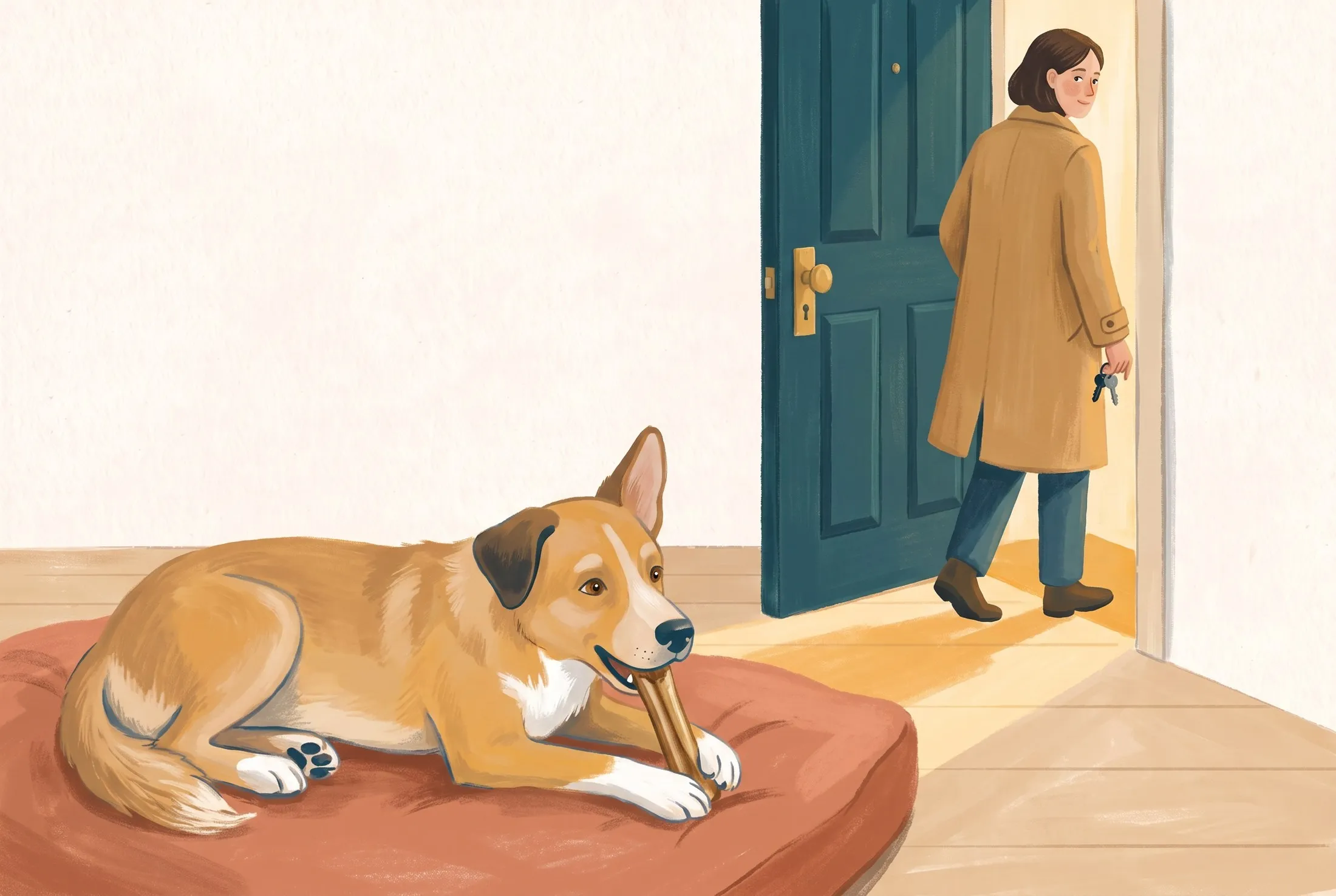
Separation anxiety training: the step-by-step plan that works
The method with the best evidence is systematic desensitization: many short absences so brief that worry never starts, lengthened only as fast as your dog can handle. Here is the whole plan, stage by stage.
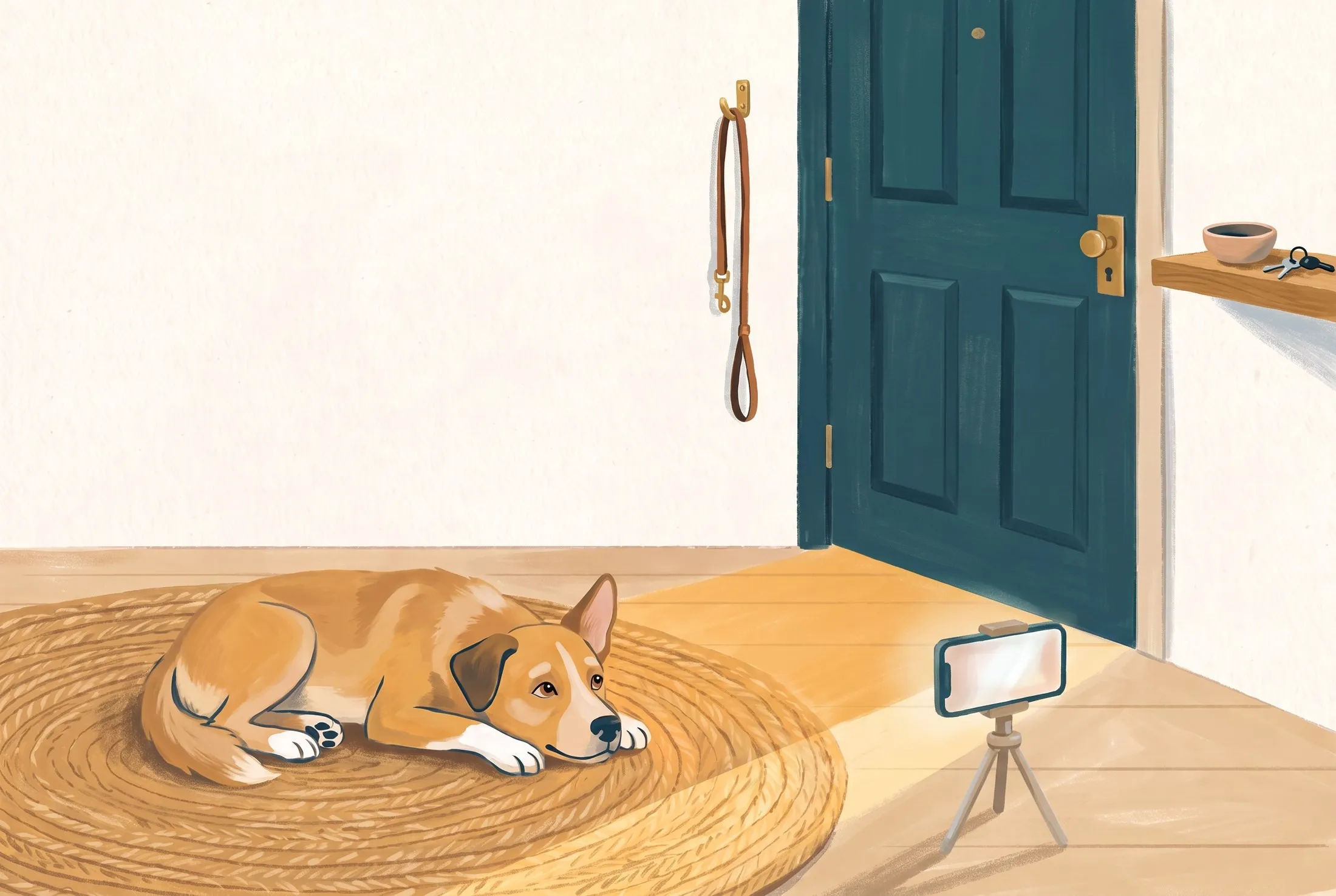
How to teach your dog to stay home alone, calmly
Start far shorter than you think, grow the time only while your dog stays relaxed, and keep practicing even once it works. A practical, evidence-based routine for any dog — anxious or not.
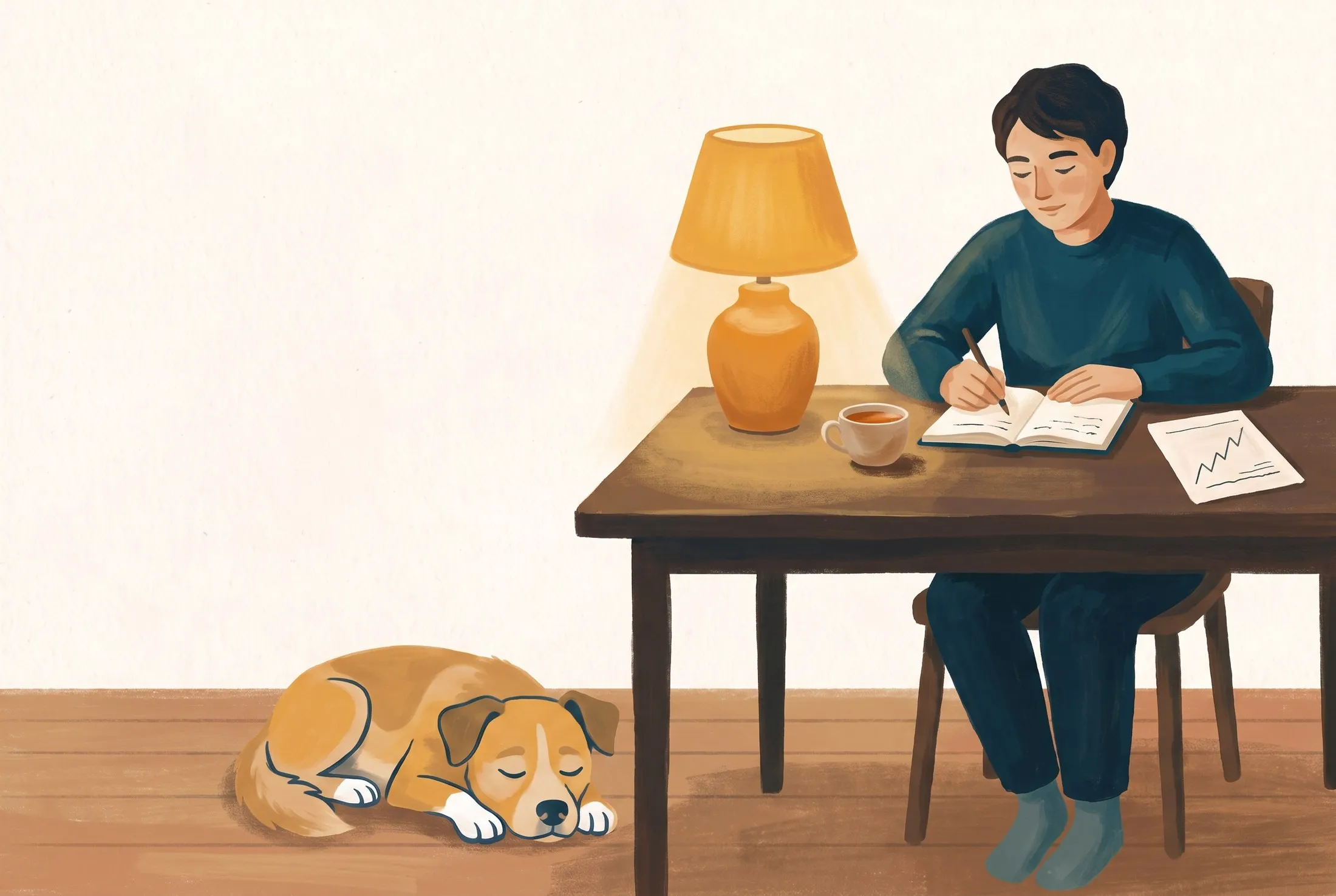
How long does it take to fix separation anxiety in dogs?
Weeks and months, not days. What the trials found (most dogs improved within 12 weeks), why progress zigzags, and how to spot a real plateau — or a sign to stop.
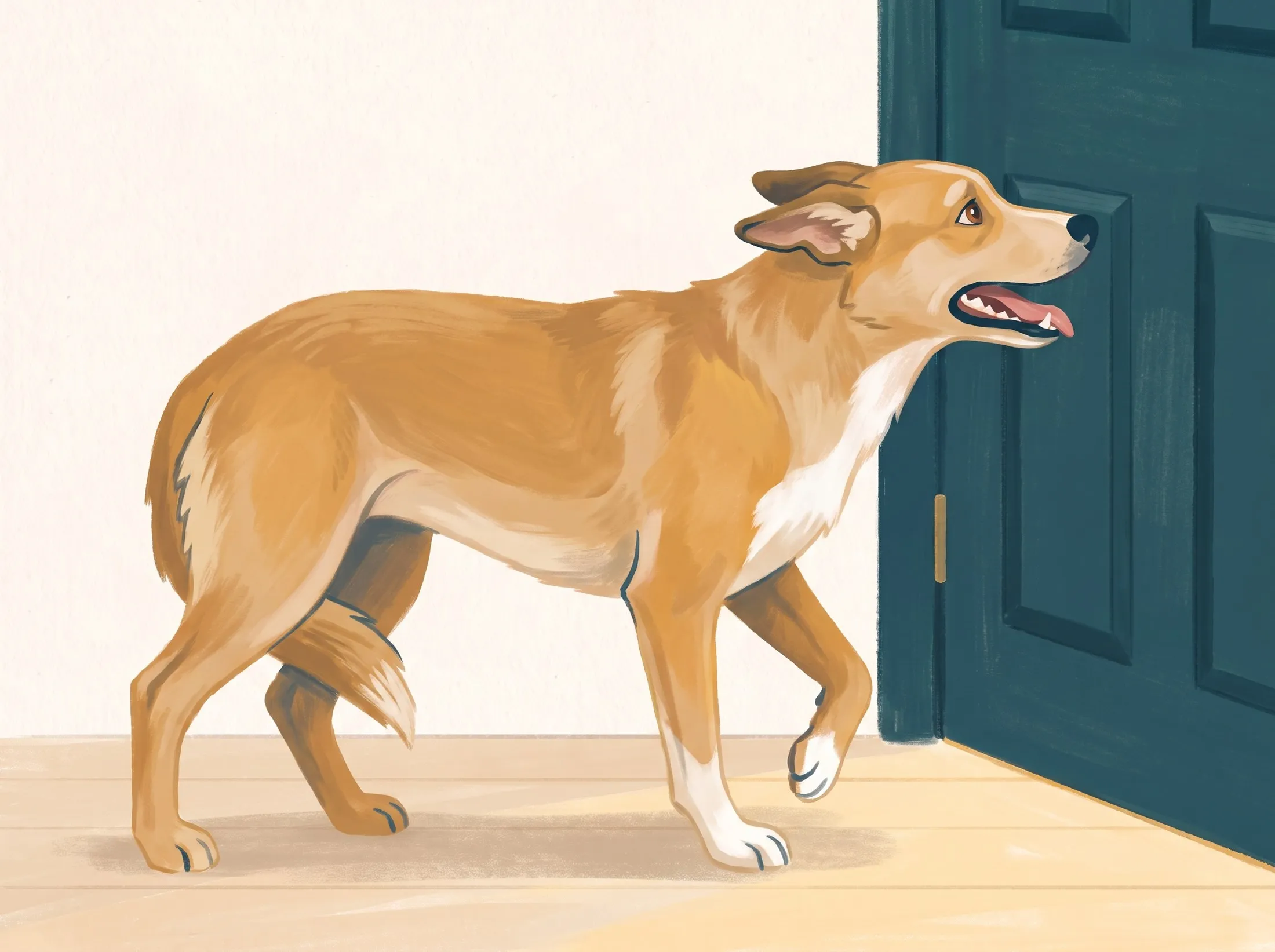
Dog barking, howling or whining when left alone: what it means and what helps
The sound your dog makes is a clue. Whining, barking and howling when you leave usually signal distress or frustration — and a bark collar punishes the distress, not the cause. Here's what to do instead.
Should you crate a dog with separation anxiety?
Crates are neither good nor bad — what matters is how your dog feels in one. Some dogs relax in a crate; others have confinement distress and panic. Here's how to tell, and what to do instead.
Helpers, medication & professionals
What works, what doesn’t, and who to call.
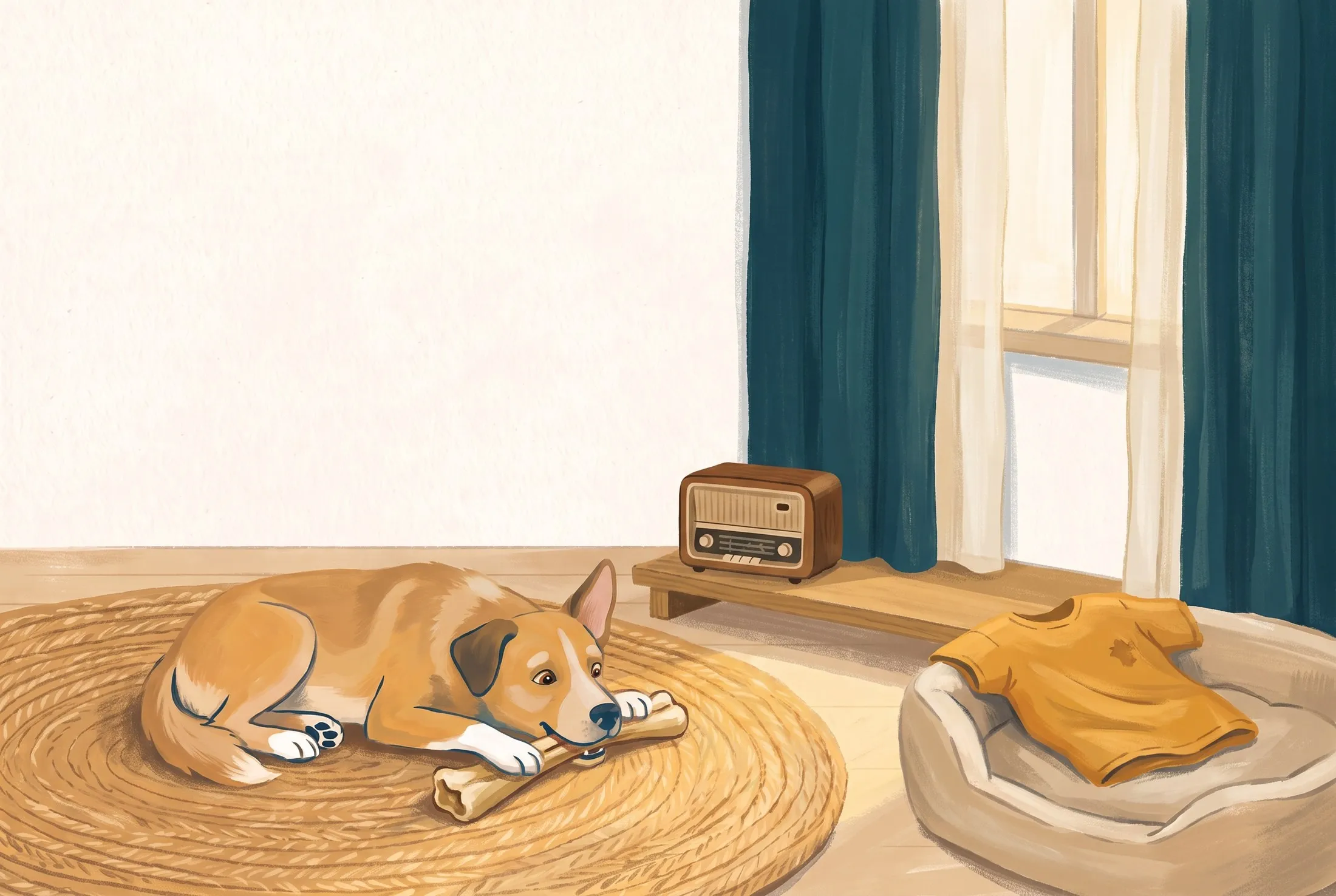
Calming toys, music, vests and supplements for separation anxiety: what the evidence says
Before you buy another calming product: what the research says about chews and toys, music and dog TV, anxiety vests, pheromone diffusers, supplements and CBD. Helpers support a plan — they don't replace it.
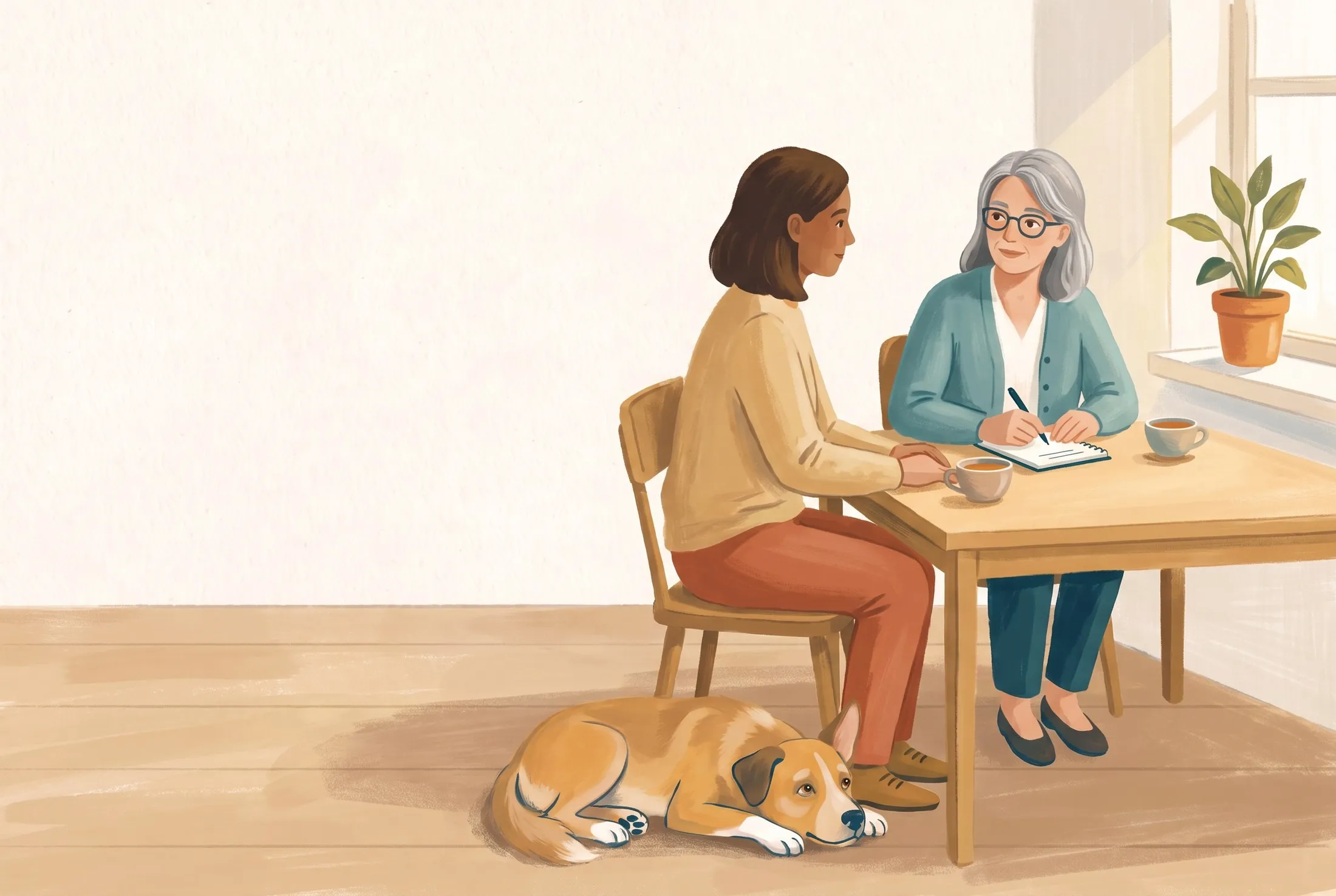
Separation anxiety medication for dogs: what to ask your vet
Medication can make training possible for some dogs — as an add-on, never a replacement. The FDA-approved options as of September 2026, what the trials found, and the questions worth asking. No doses: that's your vet's call.
Who to call for dog separation anxiety: vet, behaviorist or trainer?
“Behaviorist” isn't a protected title. What DVM, DACVB, CAAB and IAABC actually mean, what each can do, the questions to ask, and the red flags that mean walk away.
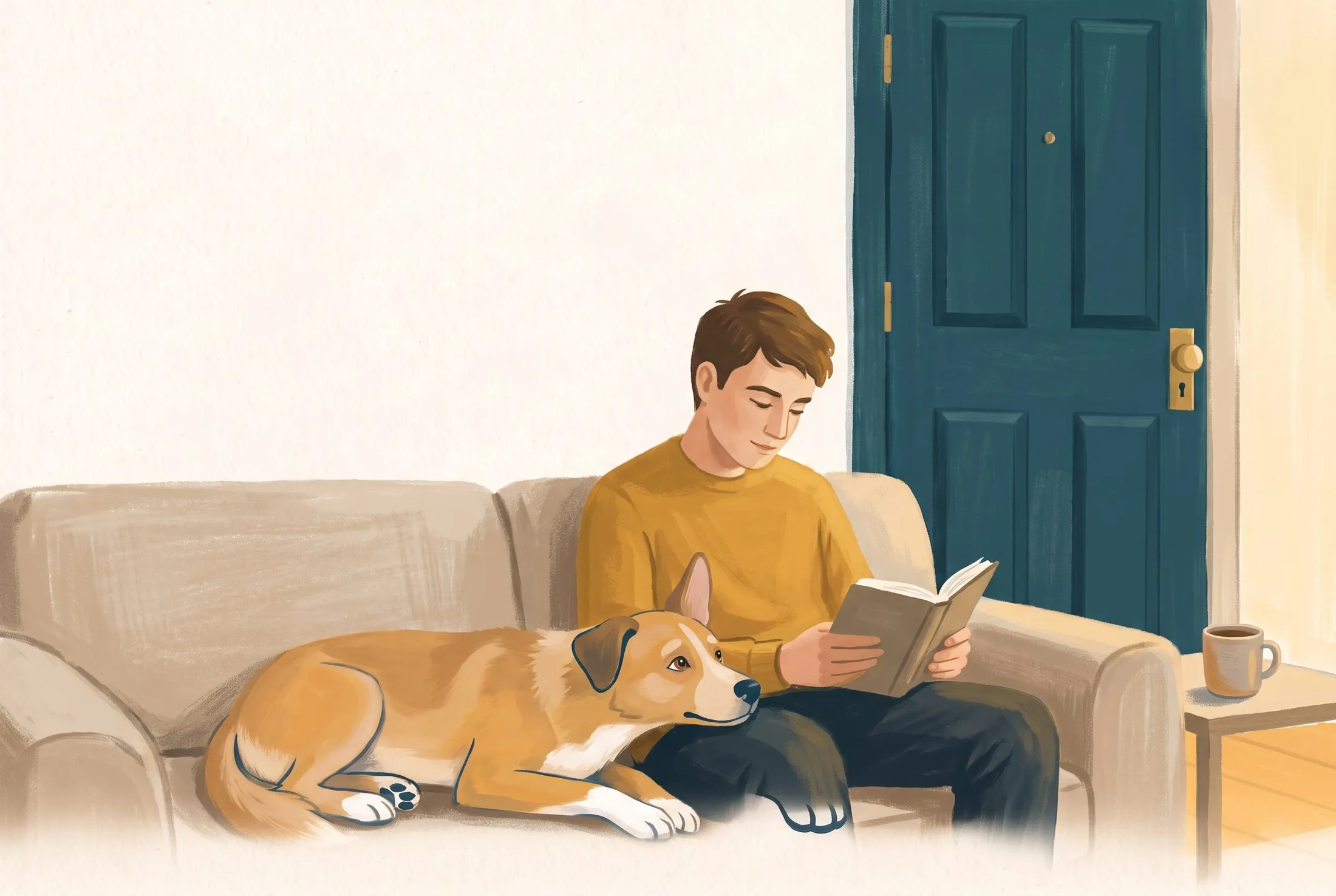
Will getting a second dog help separation anxiety?
It's one of the most common suggestions and one of the least reliable. Some dogs settle with any company; others need one specific person. Test before you commit — here's how.
Special situations
Puppies, older dogs, new adoptions and more.
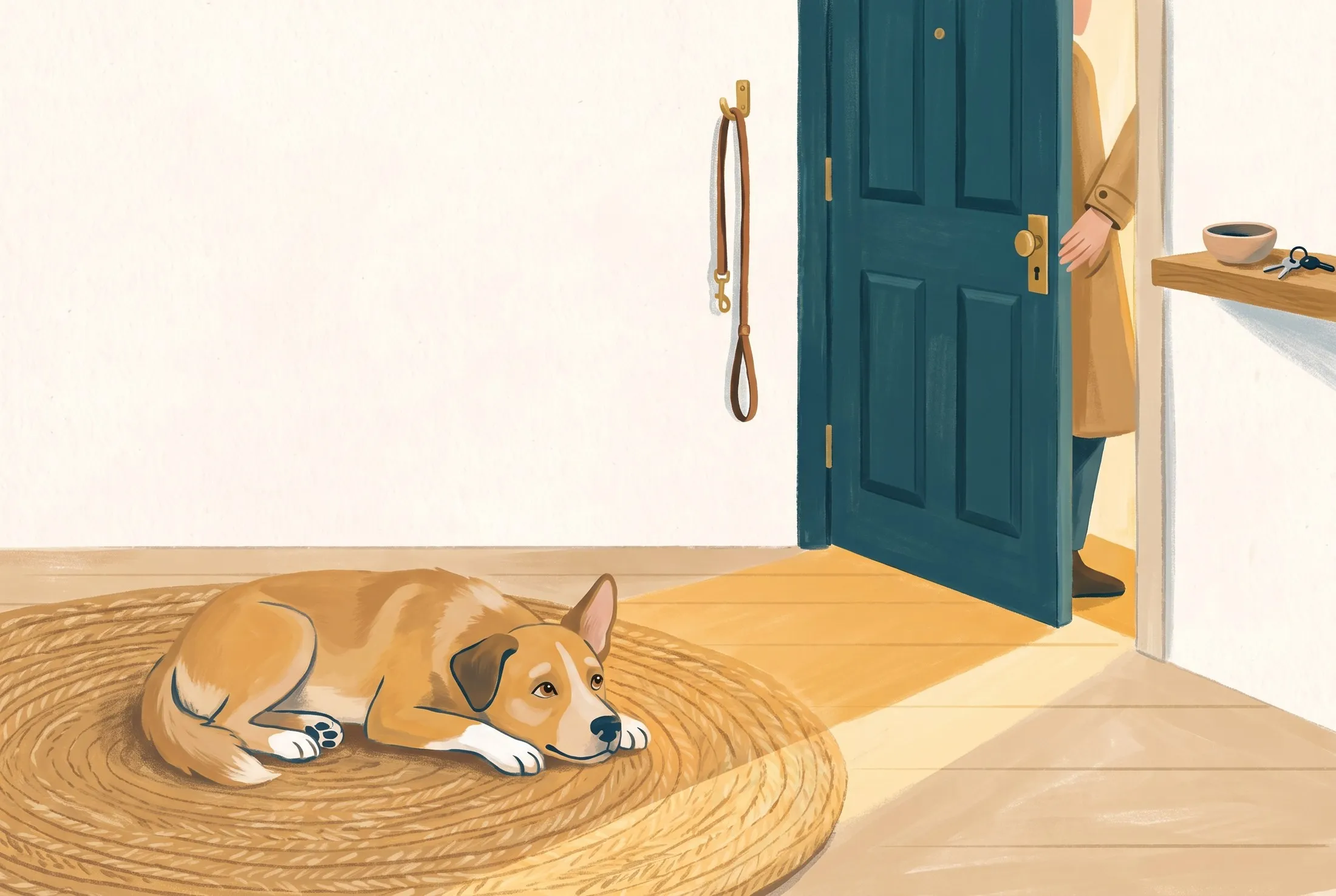
Puppy separation anxiety: what's normal, and how to prevent problems
Most puppies protest being left at first. What the research says about crates, sleep, punishment and pheromones — and how to teach a puppy that being alone is safe, one tiny step at a time.
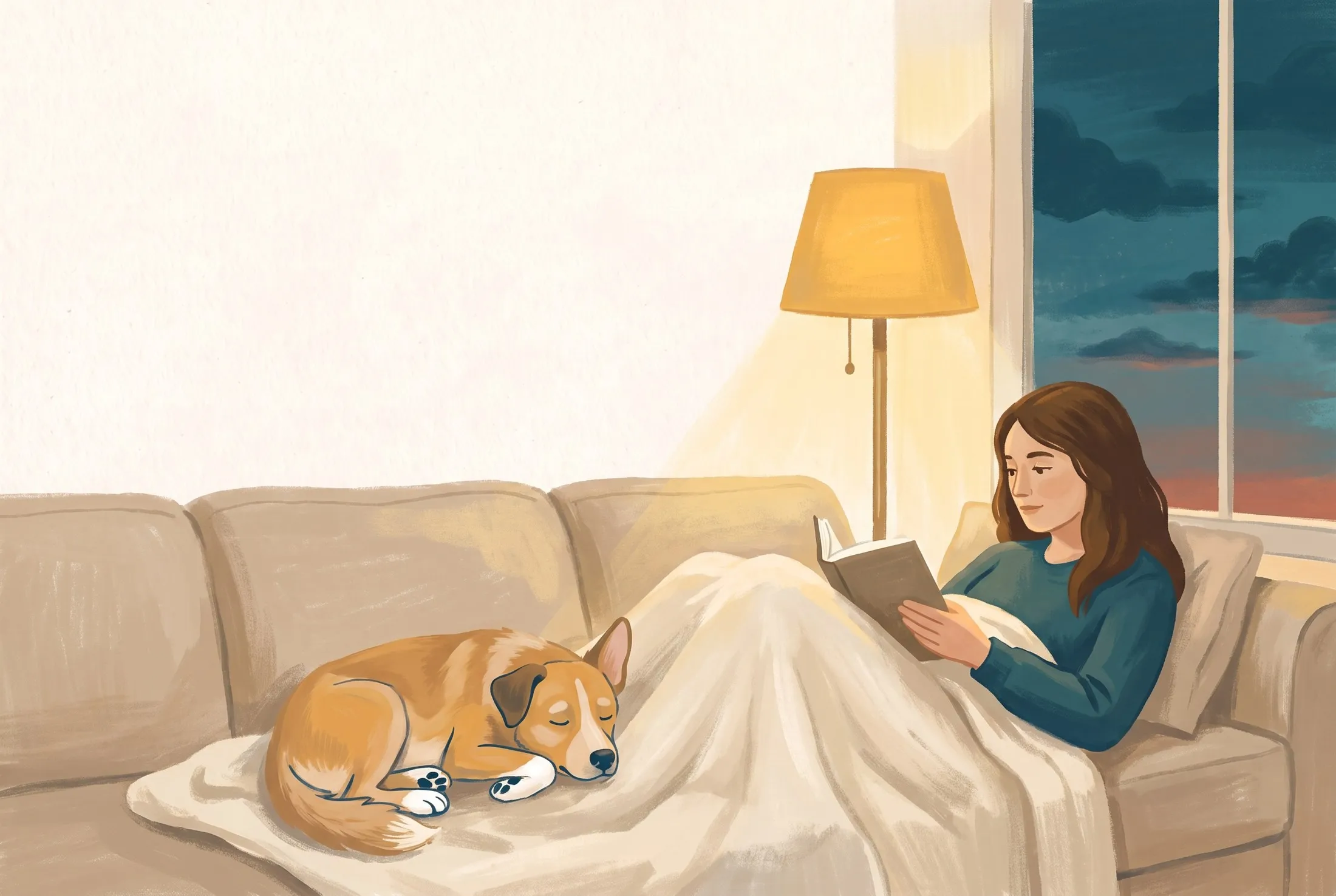
Separation anxiety in older dogs: why it starts late, and what to do
A dog who coped for years and suddenly can't be left needs a vet first — pain, urinary problems and cognitive decline can all look like separation anxiety. Then the same gentle plan still works.
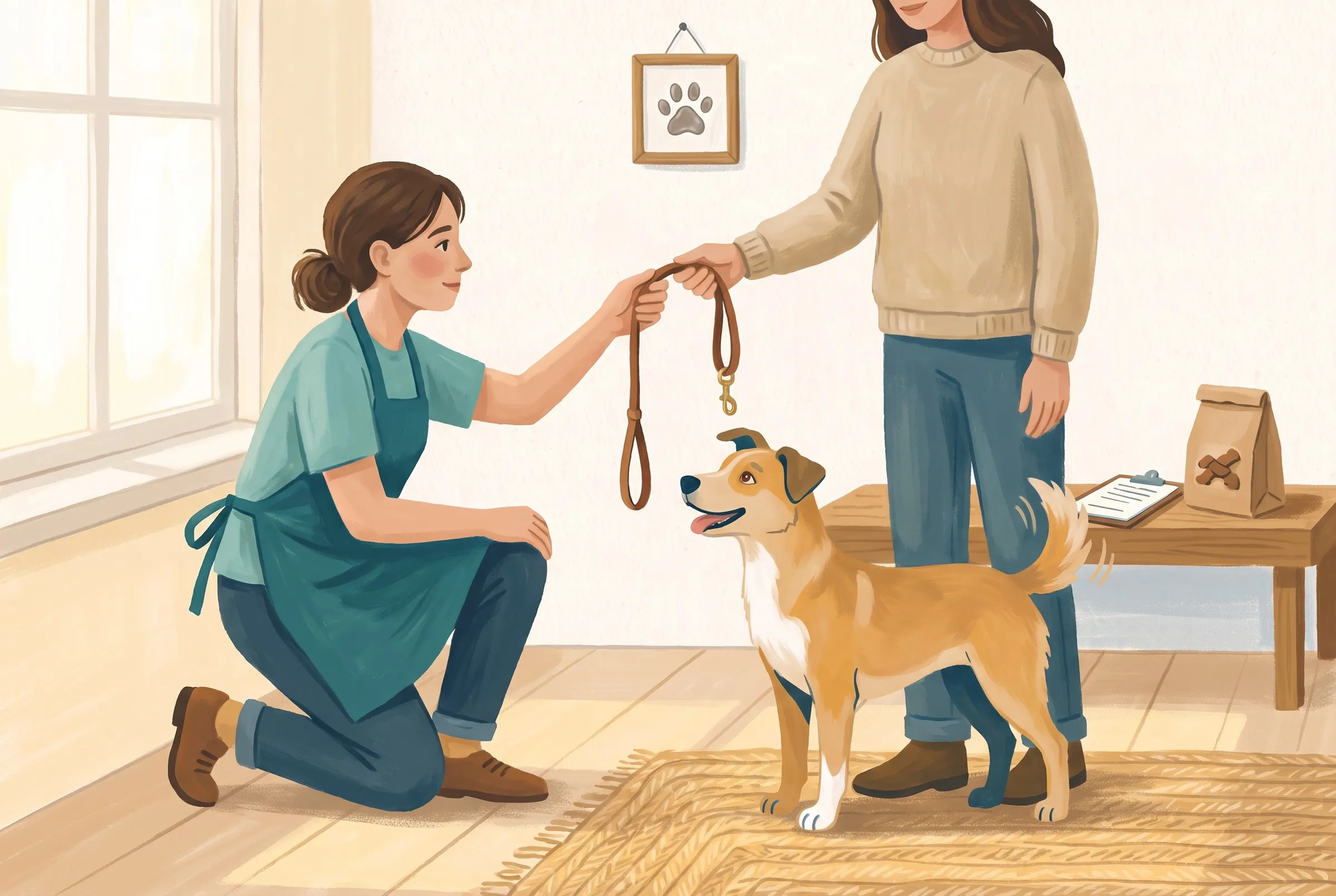
Separation anxiety in rescue dogs: what to expect in the first months
Separation-related behavior is very common right after adoption — and often eases over the first six months. How to keep early absences short, when to start training, and when not to wait.
Dog anxious when one person leaves (but fine with others)?
Some dogs settle with any company; others are distressed only when one particular person is gone. Why it happens, how to train in a multi-person home, and why this pattern is worth a professional's input.
Dog breeds and separation anxiety: what the research can (and can't) tell you
Breeds do differ — a study of 13,700 dogs found large breed differences in anxiety traits. But no reliable 'worst breed' list exists, and your individual dog's history matters more. An honest look.